

PWGSC
Spore trap analysis [ST]
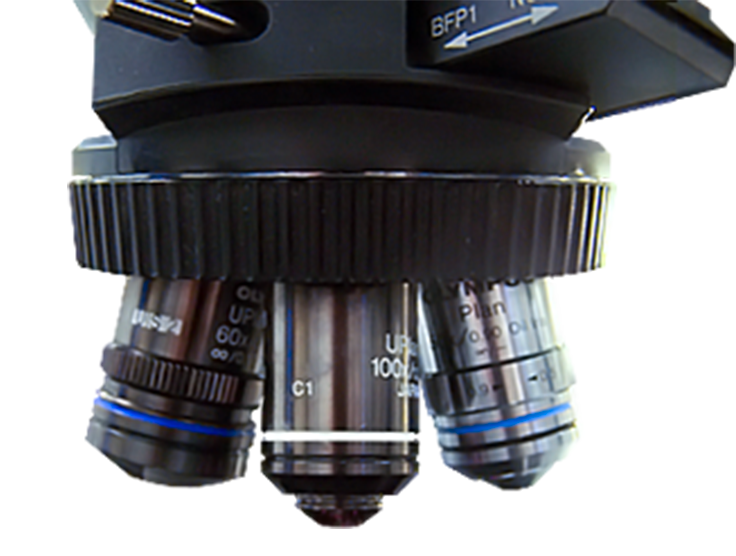
Spore trap sampling involves collecting airborne particles on a filter membrane or adhesive-coated slide by drawing air through or over the collection medium, respectively. The collection medium is then analyzed by transmitted light microscopy, usually at 600–1000× magnification. A number of different collection devices may be used for spore trap sampling of which the most […]
Bulk sample or tape lift/ BioTape sample for microscopic analysis [BT]
Direct microscopy is considered the “gold standard” in environmental mycology for determining the existence of fungal growth on surfaces or materials. The direct observation of fungal spores, spore-bearing structures and mycelium provides an unequivocal marker of past or current growth. Direct microscopic examination of tape or bulk samples should first examine the specimen in reflected […]
Endotoxin [ENDO]
Endotoxin is a lipopolysaccharide found in the cell membranes of Gram-negative bacteria. Endotoxin is a strongly proinflammatory material because of its interactions with receptors that stimulate the innate immune system. Exposure to endotoxin will initiate a strong inflammatory response in anyone and does not require allergic sensitization or individual sensitivity. Inhalation exposure to endotoxin is […]
Bacterial DNA barcode sequence identification [BDNA]
This test provides a low-level identification of a single bacterial isolate by sequencing of portions of the 16S ribosomal small subunit gene region. DNA-based sequence identification is the gold-standard for microbial identification, since it is capable of identifying rare or atypical isolates of bacteria irrespective of their responses to diagnostic culture media or biochemical tests. […]
E. coli & coliforms, semiquantitative [ECOLI-S]
Coliform bacteria are common environmental bacteria, typically associated with the mammalian digestive tract. Although not generally pathogenic themselves, coliforms are a well-known marker of fecal contamination, and their presence is interpreted to suggest that potentially pathogenic bacteria may be present. This test detects both E. coli and coliform bacteria and is adapted from the Health […]